
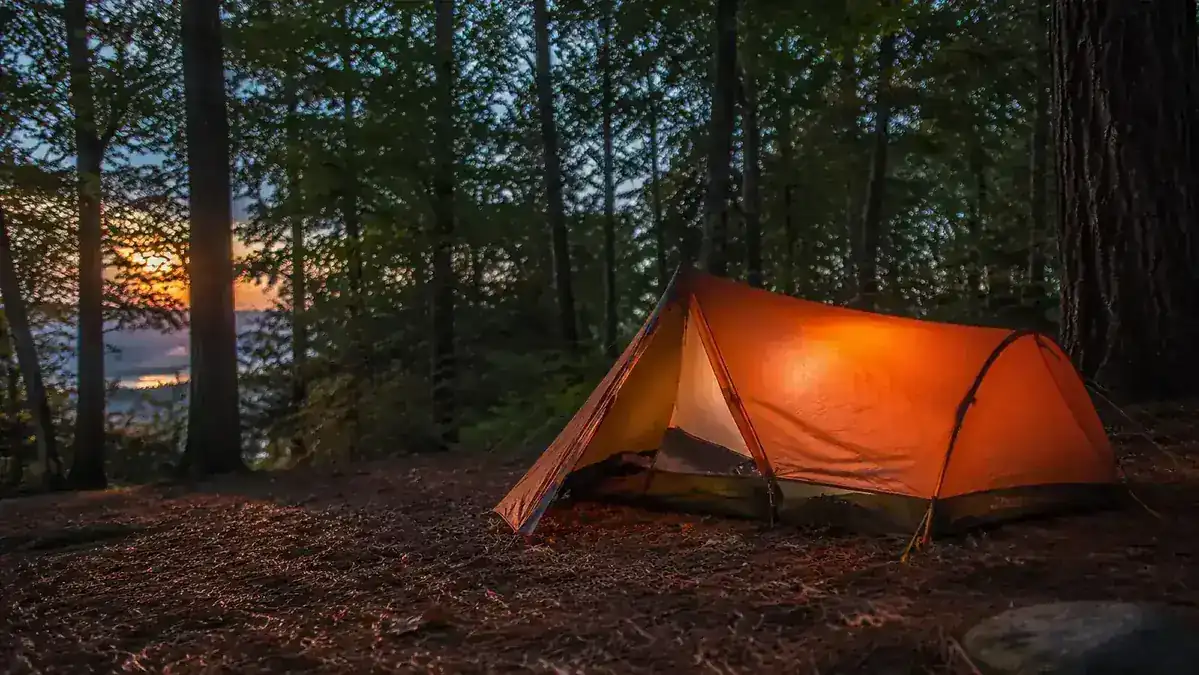
I almost left the Naturehike Cloud-Up in my garage. Not because I had any specific reason to distrust it, but because I had driven four hours to the Cohutta Wilderness trailhead in north Georgia, it was a Thursday afternoon in October, and I was about to spend two nights alone with a tent I had never actually pitched outside my living room. The fly had gone up fine on the carpet. That felt different from six miles of loaded hiking into a place with no cell service and a forecast that said "isolated showers" in the way forecasts say things that turn out to mean more than that.
I have been backpacking since my mid-twenties. I have owned a Big Agnes Copper Spur, a REI Quarter Dome, and a Marmot Tungsten that I used hard for three years before the zipper finally gave out. None of them cost under $200. The Naturehike Cloud-Up runs well under that. When I ordered it I kept checking the Amazon listing like something would change. 4.5 stars across more than 2,000 reviews. Free-standing. Ships with a footprint. Weighs in at a legitimate ultralight number. I told myself it was probably fine.
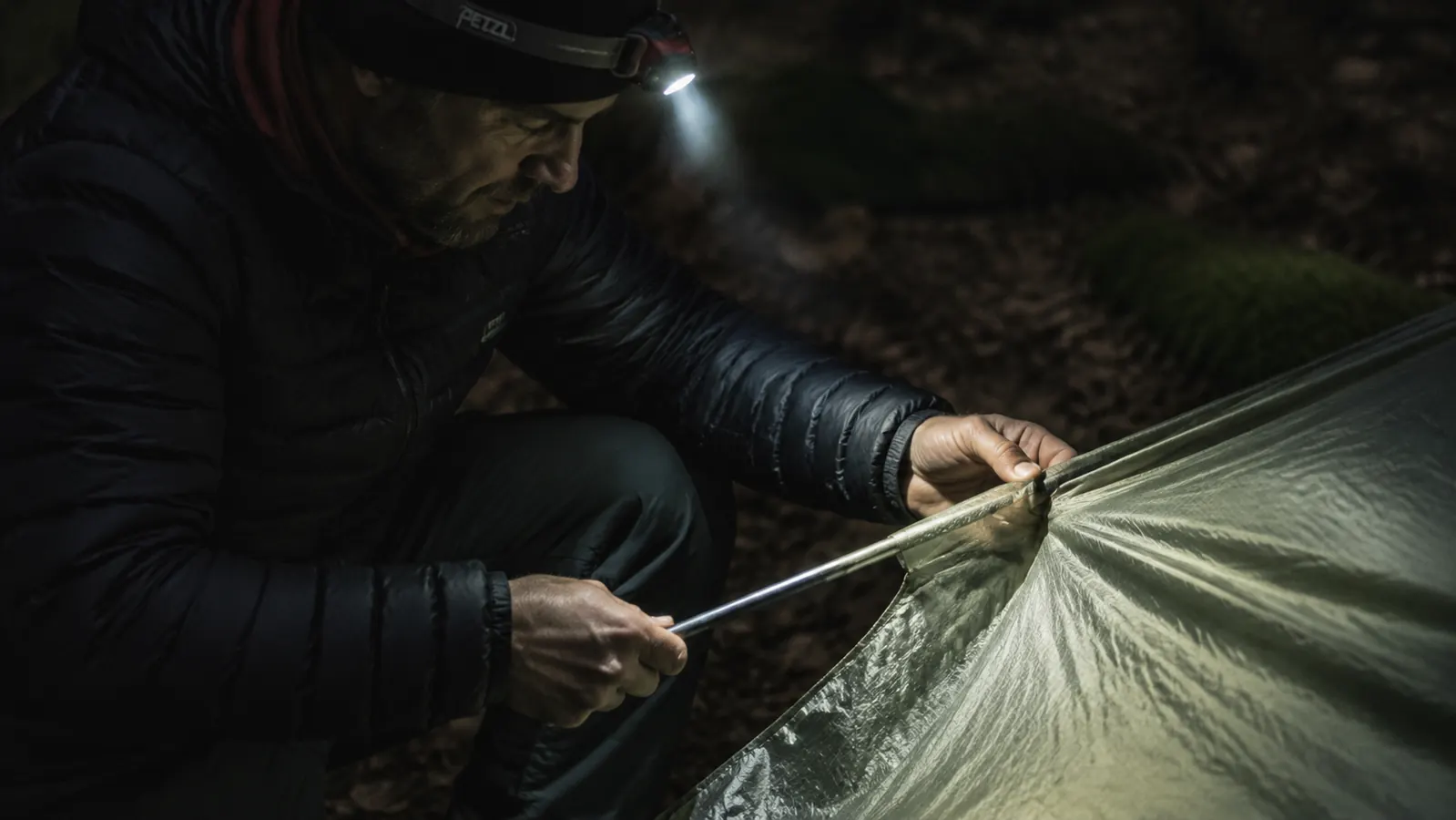
I got to camp around 5:40 pm. The light was already going gray and flat through the canopy. My site was a flat spot above a creek, slightly sloped, more leaves than I would have chosen. I dropped my pack, pulled the tent stuff sack out, and started working. Here is the thing nobody puts in the product description: the first time you pitch any backpacking tent after a long day, your hands are tired, your focus is thin, and whatever the setup requires, you have maybe 20 minutes of decent light to figure it out.
The Cloud-Up went up in about 14 minutes. I was slower than I would be now. The pole sleeves run through the body, not clips, which I was not used to, and I fumbled with the buckles on the vestibule stake loops twice before I understood the geometry. But the structure is genuinely forgiving. The tent body pops into shape before you stake it, which means you can adjust placement after it is already standing. That matters a lot on imperfect ground.
The rain started around 2 am. I lay there and listened to it hit the fly. No drips. Not a single one. I did not expect that.
I ate dinner outside, hung my food bag, and climbed in around 8:30. The interior is genuinely roomy for a solo tent, snug if you are two people and both of you have standard gear. I am 5-10 and 185 pounds and I had plenty of headroom sitting up, which I do every night to change layers. The mesh inner panels had me a little nervous about warmth, but at 44 degrees that night it was a non-issue with a good bag. The condensation question is real though: by morning, the inner walls had moisture on them from my breathing, and the mesh lets air move but also lets that cold radiate in. Worth knowing before you plan a sub-freezing trip.
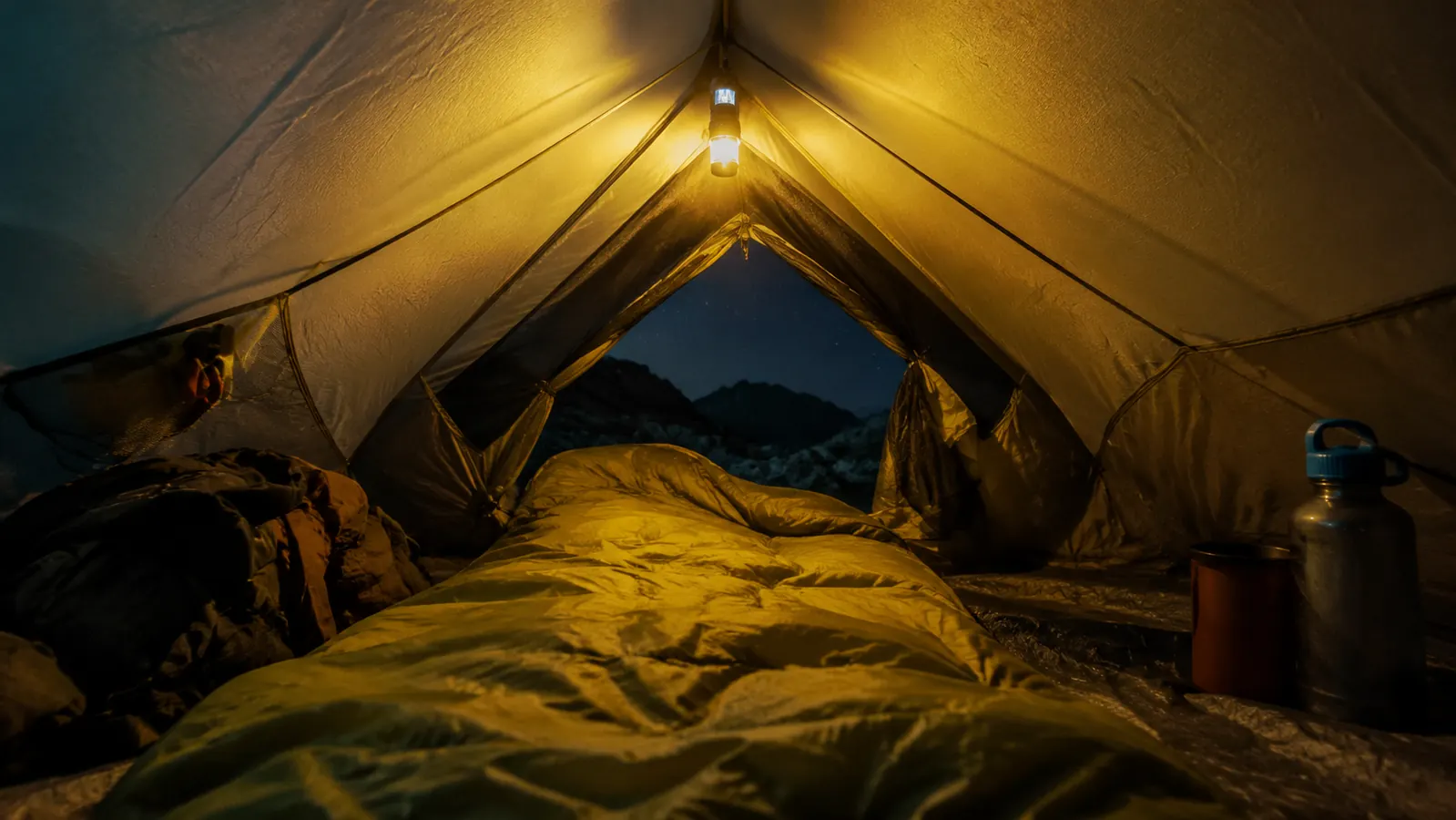
The rain started around 2 am. I know this because I was awake listening to it. This is the test that separates a tent from a tarp with poles. The Cloud-Up's fly has a 3000mm waterproof rating, which is a legitimate number, not a marketing approximation. I lay there and listened to the rain hit the fly, and I tracked every corner of the tent ceiling with my headlamp, and there were no drips. Not one. The vestibule held my boots and the bottom six inches of my pack, both dry in the morning. I did not expect that from a tent at this price.
If you want a real-world tested backpacking tent that holds up in rain without the $300 price tag
The Naturehike Cloud-Up has 2,266 reviews averaging 4.5 stars. It comes with the footprint, ships in a compact stuff sack, and the current price on Amazon is worth checking if you have been putting off the upgrade.
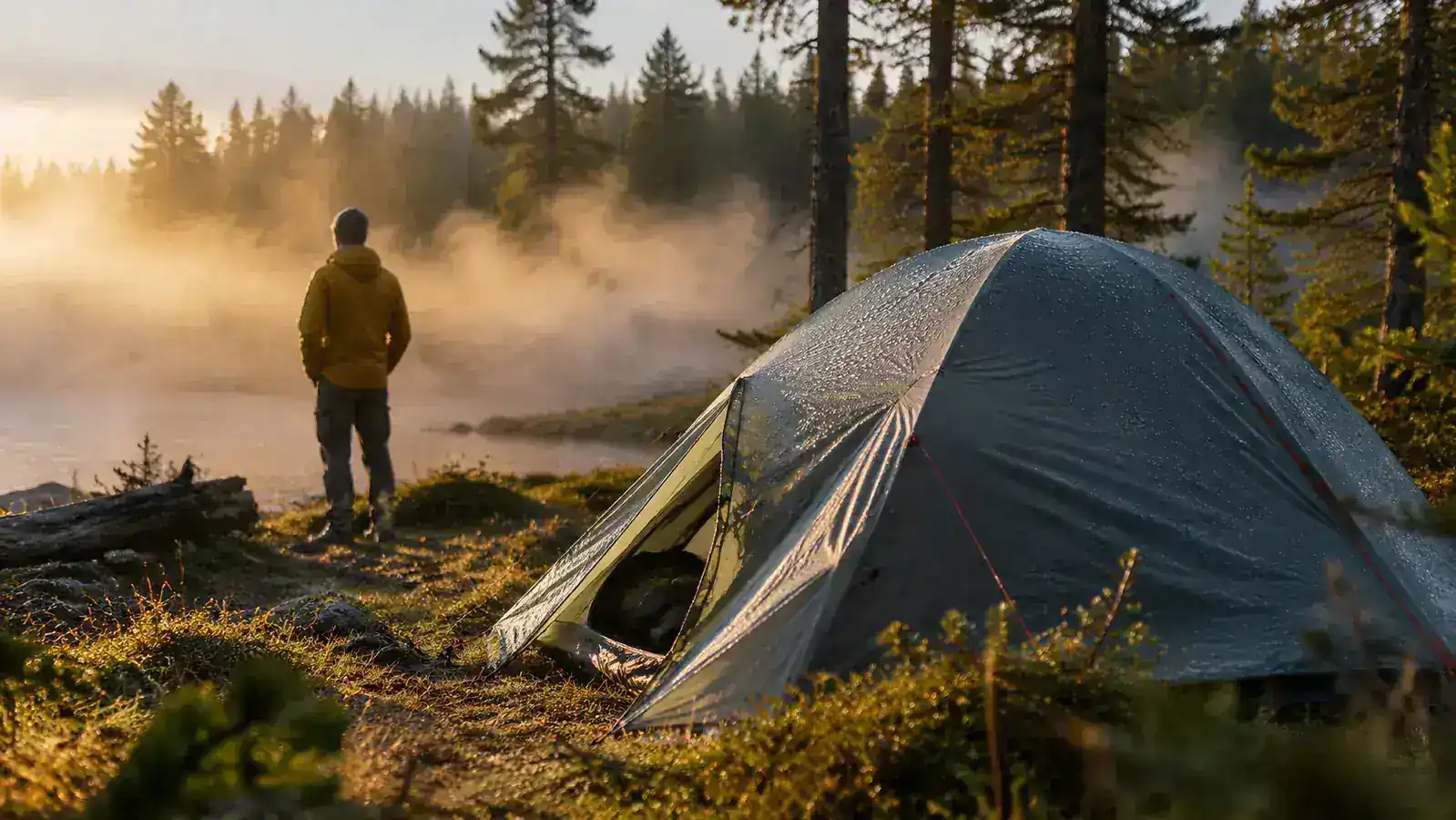
Amazon Check Today's Price on Amazon →Morning came gray and damp but not miserable. I broke camp in a light drizzle and was back on trail by 7:15. The fly stuffs back into the sack a bit grudgingly, which is a real complaint. You cannot fold it wet and expect it to compress tightly. I ended up strapping it to the outside of my pack and drying it at the car before I put it away properly. That is a habit adjustment, not a flaw, but I wish I had known it going in.
I have since taken the Cloud-Up on five more trips. The Cohutta run, two weekends in the Smokies in November, one overnight near Springer Mountain in February, and a solo car camping trip where I pitched it just because it was easier than the family tent. It has handled temperatures down to 28 degrees with no structural issues. The pole tips show some wear from repeated assembly. The fly buckles are still solid. The zipper on the main door has not snagged once, which I cannot say about the Marmot it replaced.
What I Would Tell You If We Were Sitting at My Kitchen Table
Here is the honest version: the Naturehike Cloud-Up is not the tent I would choose for a Cascades traverse or a winter trip into the Adirondacks. It is not designed for extreme use. The pole system is capable but not bombproof, and the 3000mm fly rating is good for steady rain, not sideways wind-driven sleet. If your trips regularly involve sustained bad weather above treeline, spend more.
But if you are doing what most of us are actually doing, three-season backpacking on well-traveled trails, car camping where you still want a decent shelter, weekend overnights where the biggest weather risk is a spring thunderstorm or a cold October night, the Cloud-Up handles it without complaint. It sets up reliably, keeps you dry, packs small enough to fit in a 40L bag without dominating the space, and costs less than most people spend on boots. For where I camp and how I camp, it earns its place in the rotation.
If you want more detail on how it holds up across a full season, I wrote a longer field review covering 14 trips and a few specifics on pole durability and condensation management that did not fit this story. And if you have never pitched a freestanding backpacking tent solo before, there is a step-by-step setup guide on this site that would have saved me those 14 fumbled minutes on that first October evening.
Six trips in, I still pack this tent. Current price on Amazon is worth a look before your next trip.
The Cloud-Up ships with the footprint included and a carry bag that fits in most 40L packs. Check the listing for the current configuration and today's price.
Amazon Check Today's Price on Amazon →