
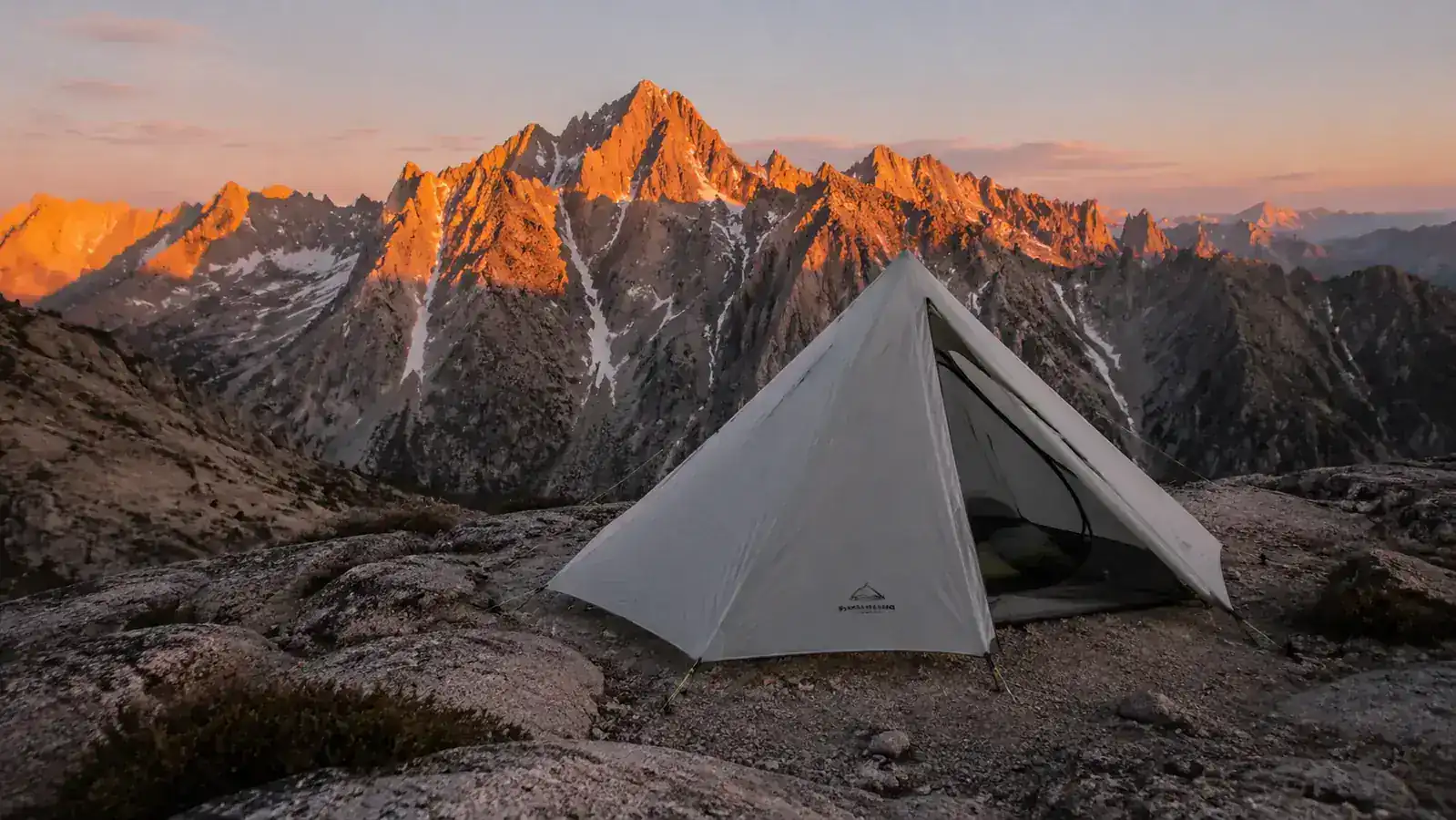
Most first-time backpackers obsess over boots and packs. I get it. Those are the things you feel all day. But the gear that determines whether you finish a trip rested and ready to hike out, or cold and miserable and counting down the miles, is the shelter you sleep in. A bad boot day hurts your feet. A bad tent night wrecks your safety margin. After testing shelters across 30-plus nights over three seasons, I keep landing on the same conclusion: your tent is the single decision that has the most downstream effect on everything else you do on trail.
I tested the Naturehike Cloud-Up across 14 separate trips, including two nights in a mountain rainstorm that dropped the temperature to 34 degrees. It held up. Below are the 10 reasons I keep pointing people toward it, and why the tent decision matters more than anything else in your kit.
If your current tent has ever leaked on you, this is the one to replace it with.
The Naturehike Cloud-Up is a freestanding ultralight two-person tent with a footprint included. Rated 4.5 stars from 2,266 reviews. Ships with all stakes and poles.
Amazon Check Today's Price on Amazon →Weight Is the Tax You Pay on Every Mile
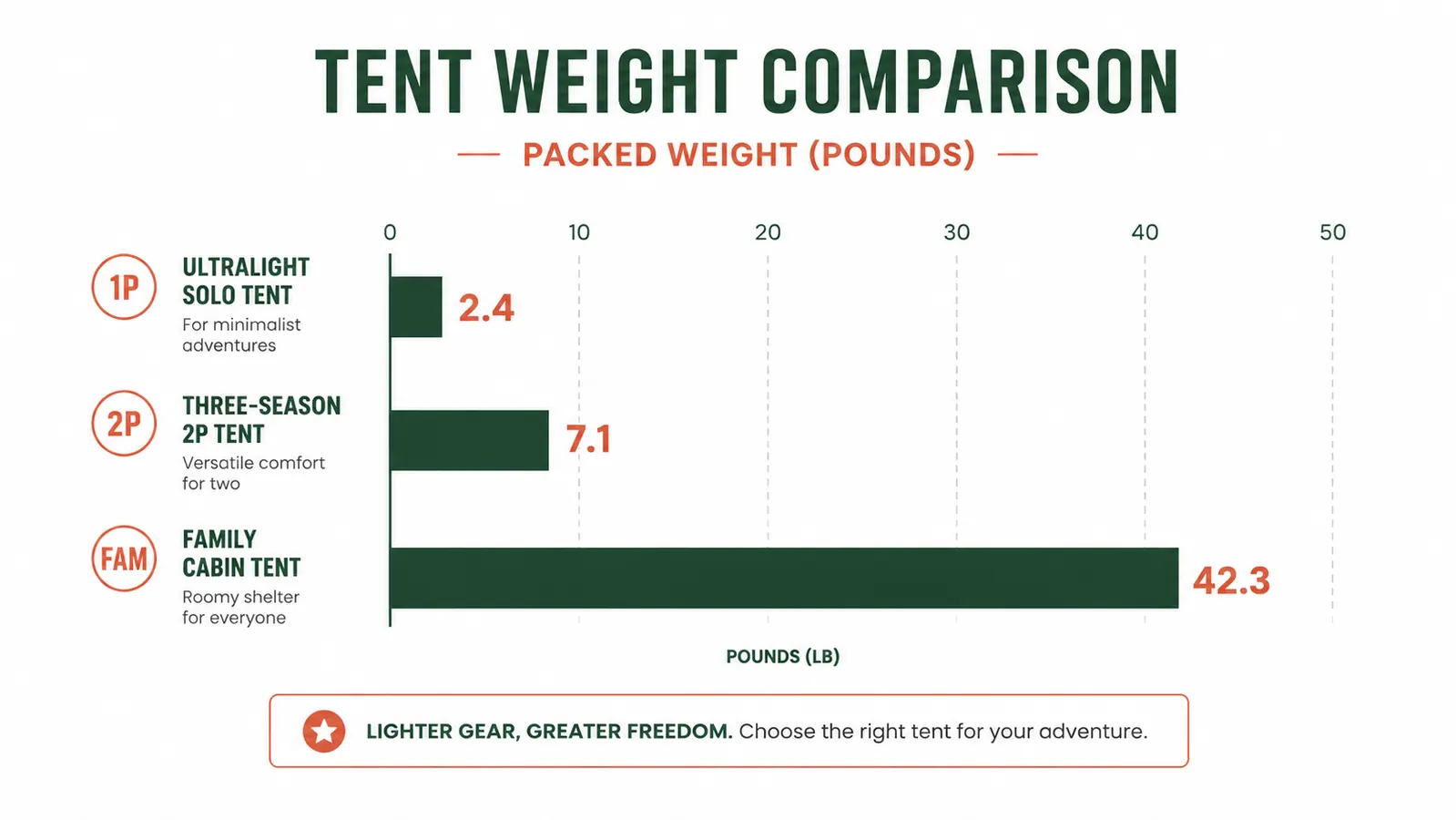
At 2.6 lbs including the footprint, the Naturehike Cloud-Up costs you about the same as a large water bottle in your pack. Budget tents in the same capacity run 5 to 6 lbs. That 2.5-lb difference is not noticeable on flat ground. After 8 miles with 3,000 feet of elevation, it is the difference between arriving at camp functional and arriving depleted. Weight compounds every step. No other piece of gear has a 2-to-1 weight spread at the same price point.
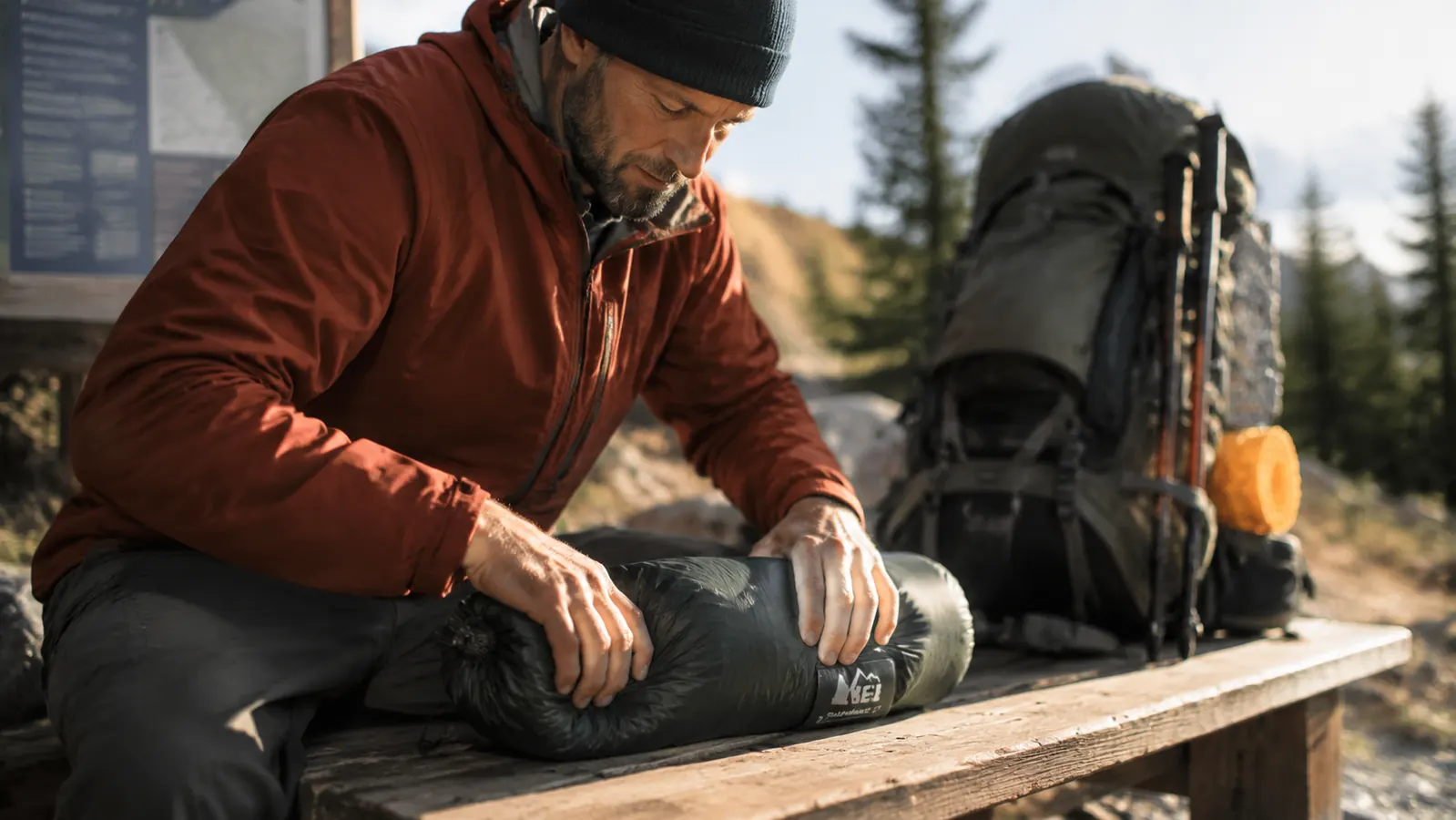
A Leaking Tent Is Not Just Miserable, It Is Dangerous
Hypothermia starts at 60 degrees if you are wet. A tent with a 1,500mm hydrostatic head rating lets in water in a sustained rain. The Cloud-Up uses a 3,000mm-rated ripstop nylon fly. That rating means the fabric can hold a 3-meter column of water before weeping. In a mountain storm that comes in sideways, the fly stakes out low enough to keep wind-driven rain from reaching the vestibule seam. I have slept dry in it at 34 degrees with rain on the fly. That is the floor for a shelter you carry into the backcountry.
Setup Speed Matters When You Are Already Exhausted
You do not arrive at camp fresh. You arrive at camp after 7 or 8 hours on trail, with sore feet and fading light. A tent that takes 20 minutes to figure out is a real problem. The Cloud-Up is freestanding with two color-coded aluminum poles and clip attachments, not sleeves. I can pitch it in under 6 minutes from stuff sack to staked fly, in the dark, without a headlamp on the poles. That speed comes from the design, not from practice. A friend of mine pitched one for the first time in under 8 minutes on a windy site.
Condensation Management Determines Sleep Quality
Two people in a sealed tent breathe out roughly a liter of water vapor overnight. A tent with poor ventilation collects that moisture on the interior of the fly, which then drips onto your sleeping bag. The Cloud-Up has mesh inner panels on both the doors and the ceiling, plus a vent at the peak. If you stake out the fly with 4 inches of ground clearance on the leeward side, airflow keeps the interior dry. This is a design feature, not a setup tip you have to discover on your own.
Vestibule Space Changes How You Manage Wet Gear
The Cloud-Up has a vestibule on each side, each large enough to store a pair of boots and a pack. That storage space keeps wet gear out of your sleep space. It sounds like a minor feature until it is raining when you stop for the night. Putting soaked boots inside the tent means a damp sleeping bag. Leaving them outside with no vestibule means they are full of water by morning. Two properly-sized vestibules is a design spec worth checking before you buy any tent.
A tent is not just where you sleep. It is where you recover. And recovery is what makes the next day's mileage possible.
A Footprint Extends Tent Life and Protects Your Floor
The Cloud-Up ships with a matching footprint. Most competitors charge $40 to $60 extra for theirs. The footprint serves two jobs: it protects the tent floor from abrasion on rocky ground, and it adds a moisture barrier between the tent and wet ground. Without a footprint, a 20-denier floor wears through on granite in two seasons of weekend use. With one included at the base price, you are not making a mental math decision at checkout about whether to spend another $50.
Amazon Check if the footprint is still included on Amazon → →
Freestanding Design Opens Up Your Campsite Options
Trekking-pole tents and tarps require guy lines anchored to trees or stakes in solid ground. The Cloud-Up stands without any stakes at all, which means you can pitch it on a granite slab, a packed-dirt site, or a tight alpine clearing where there is no soil to drive stakes into. You still stake out the fly for weather, but the inner tent does not collapse while you are doing it. On a technical site at elevation, that flexibility is not a convenience, it is a requirement.
Interior Ceiling Height Matters for Two-Person Comfort
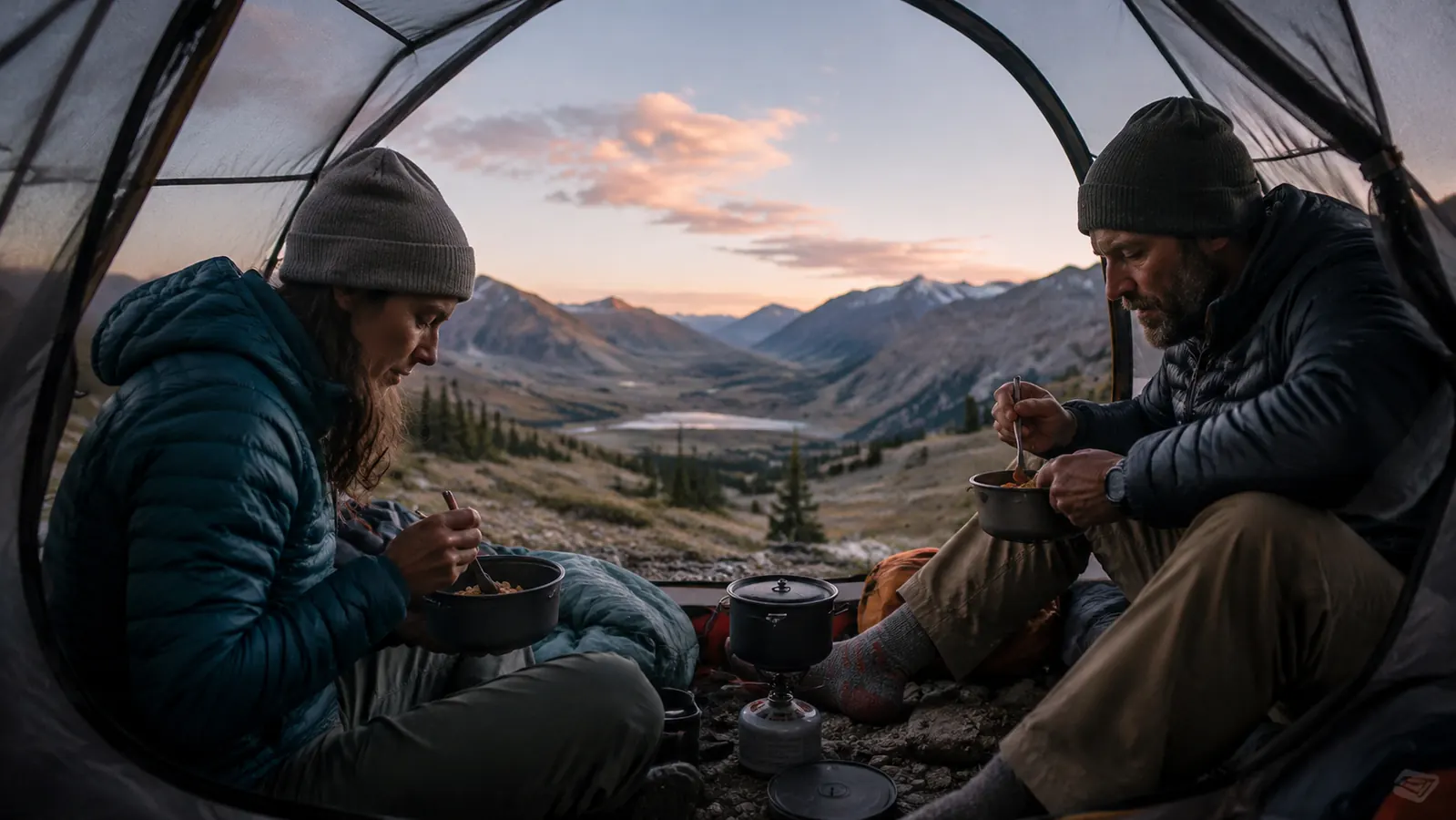
The Cloud-Up peaks at 42 inches on the 2-person version. That is enough to sit up, change layers, and eat inside during a rain day without hunching. Many sub-3-lb tents drop the peak height to 36 or 38 inches to save material. The difference sounds small until you are stuck inside for six hours with a partner waiting out afternoon lightning. Enough headroom to sit fully upright is a livability spec that shows up every time you use the tent, not just in the first few trips.
The Right Tent Fits Your Pack, Which Changes Your Planning
The Cloud-Up packs to roughly the size of a 1-liter Nalgene. That footprint fits inside the main body of a 40L pack, which means you are not strapping the tent to the outside where it catches rain and throws off your balance on technical terrain. When your shelter fits inside your pack, you can plan more aggressive routes because you are carrying a more balanced load. Tents that compress to bike-helmet size but weigh the same as a light option are a false choice. Pack volume and weight both matter.
Price-Per-Night Drops Sharply With a Durable Shelter
Budget tents in the $60 to $80 range typically last one to two seasons before the seams start failing and the pole ferrules crack. At 14 trips and counting, the Cloud-Up shows no seam separation, no cracked ferrules, and the zippers run smooth on both doors. If it lasts another full season at its current pace, you are looking at 22 to 25 nights on a tent that costs about the same per night as a cup of camp coffee. Gear that does not break is inexpensive gear. Gear that breaks twice is expensive gear.
Amazon See current price on Amazon and decide for yourself → →
What I Would Skip
The Cloud-Up is not a four-season tent. If you are planning mountaineering routes above 13,000 feet with potential for heavy snow loading, or if you are camping in sustained winds above 40 mph, you need a dedicated expedition shelter with a more aggressive pole geometry. The Cloud-Up bows noticeably in high wind and the fly can drum loudly in gusts, which disrupts sleep. For three-season backpacking below treeline, it is excellent. For above-treeline alpine camping in full storm conditions, look at something with a lower profile and crossed-pole structure. Also skip it if you need a solo tent. The 2P version is 2.6 lbs, which is heavier than several ultralight solo options. For solo travel, the weight savings from a 1P shelter are real and worth the tighter floor plan.
Fourteen trips in, the zippers still run clean. That is the quietest endorsement I can give a tent.
If you want to go deeper on exactly how the Cloud-Up performs across a full season, including where it struggled and how the pole system holds up over time, read the full long-term review. And if you want the fastest pitch sequence I have found for this tent, the step-by-step setup guide covers it in detail.
Every trip in this tent has ended with dry gear and full sleep. That is worth more than any single feature on a spec sheet.
The Naturehike Cloud-Up is available on Amazon with the footprint included. Rated 4.5 stars from 2,266 verified buyers. Ships with poles, stakes, and stuff sack.
Amazon Check Today's Price on Amazon →