
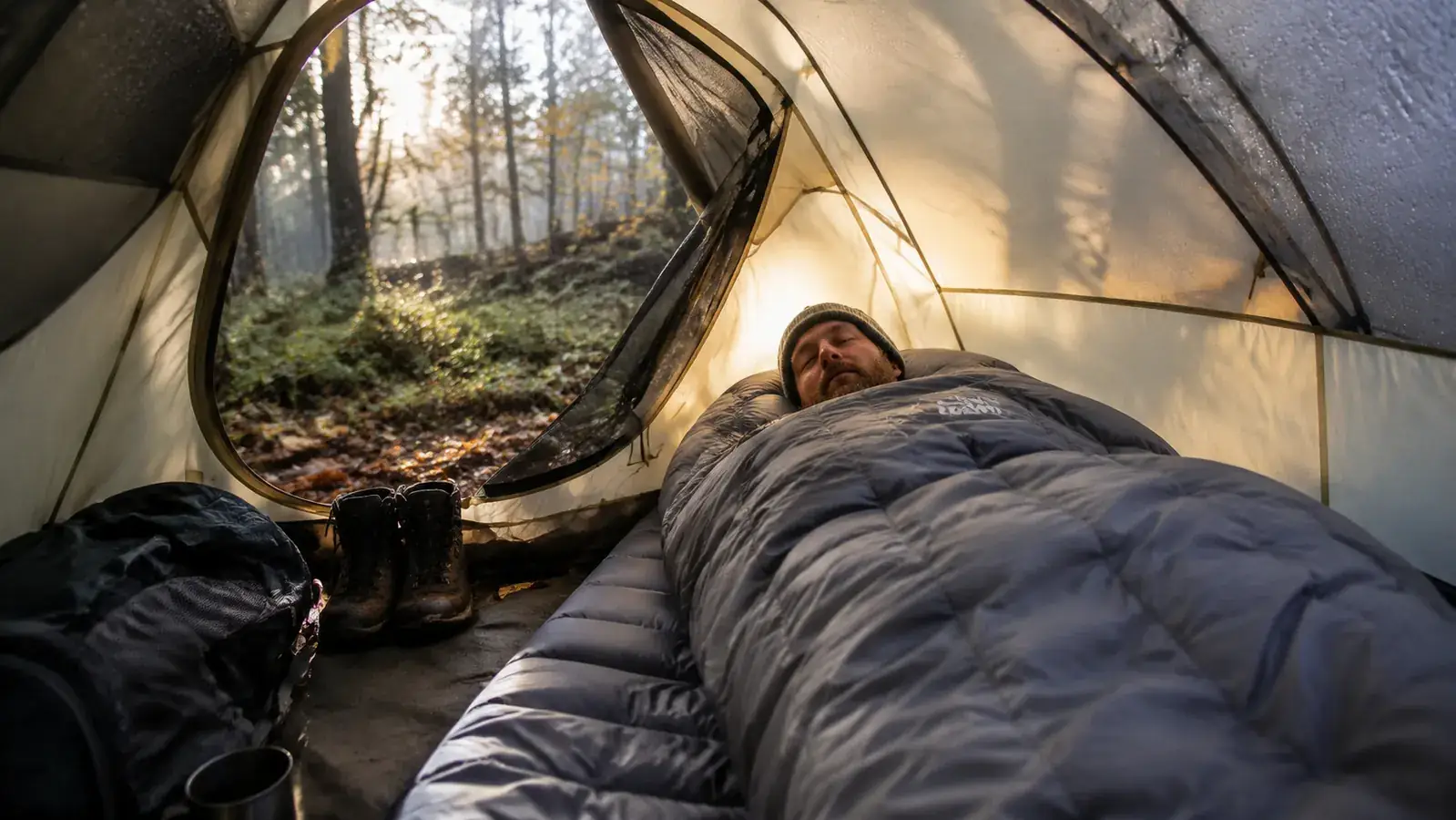
My first night in the Teton Sports Celsius was October in the Shenandoah, 28 degrees by 3am. I was in a two-person tent on a sleeping pad with an R-value of 2.8, wearing a merino base layer and wool socks. I woke up once to add a fleece layer over my legs, then slept until 6:15. That is the honest baseline: warm enough at the rated 20F if you are a warm sleeper and you layer right, borderline if you run cold or skip the pad insulation.
That was three seasons ago. Since then the Celsius has gone on two car-camping trips in the Smokies, a November base camp at around 4,200 feet in Virginia, a wet weekend in the Blue Ridge where my tent footprint failed and everything near the ground got damp, and at least a dozen backyard cold-weather tests when I wanted to check a new sleeping pad without driving four hours. Here is what I actually learned.
The Quick Verdict
A reliable 3-season mummy bag for car campers and base campers who want real warmth at a sub-$65 price. Not a backpacking bag and not a true 20F bag for cold sleepers, but honest value for what it is.
Amazon Check Today's Price →Sleeping cold ruins trips. The Celsius fixes that for under $65.
Over 3,500 campers have rated this bag 4.3 stars. Check today's price on Amazon before it moves.
Amazon Check Today's Price on Amazon →How I've Used It
I am a side sleeper, 5-foot-11, 195 lbs, and I run slightly warm at night. That profile matters because it affects every temperature judgment in this review. My wife runs cold and has used this bag once, at 38 degrees, with a liner. She was fine with both. Below 30 degrees she reaches for a synthetic quilt we have that is rated 10F. So take my warmth assessments with that context.
The Celsius I own is the right-zip version in a regular/large (fits up to 6-foot-2 per the spec sheet). I bought it for car camping and base-camp trips specifically because I did not want to spend $200-plus on a down bag that would see condensation, occasional drips, and kids using it without reading the care instructions. Synthetic fill forgives abuse. Down does not.
Total nights in this bag: somewhere between 35 and 40 over three years. I have washed it twice, following the instructions, in a front-load washer on gentle with Sport-Wash. It came out lofted both times. I did not notice meaningful compression in the fill after either wash, which matters for a synthetic bag because washing is the thing that slowly kills the loft over time.
What the Celsius Actually Gets Right
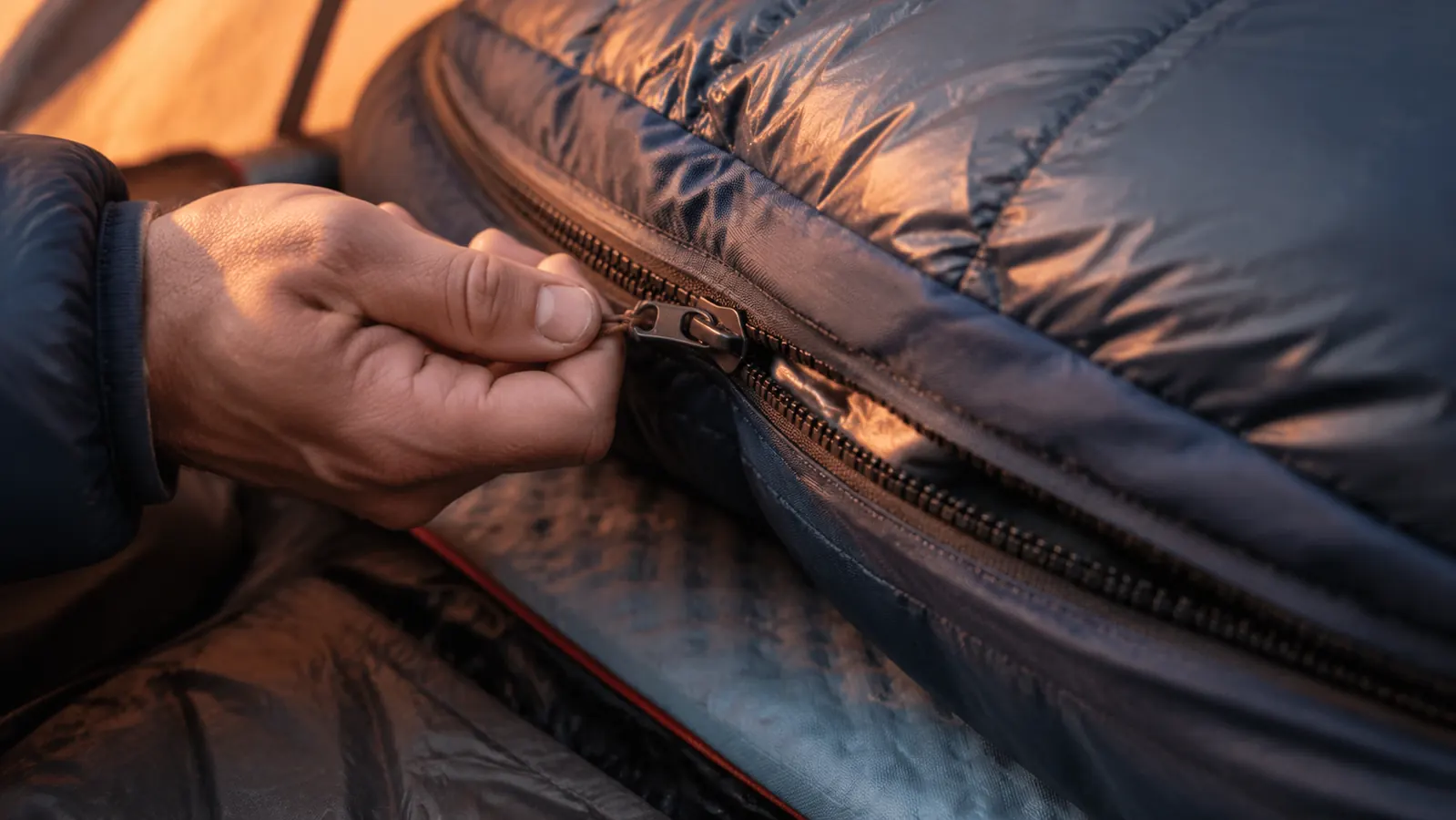
The zipper is the first thing most buyers notice because it is better than it has any right to be at this price point. There is a draft tube backing the full length of the zipper on the interior side, which keeps cold air from bleeding through the zipper teeth. The zipper pulls are large enough to use with gloves on, which sounds minor until you are fumbling with cold fingers at 2am trying to get out to use the bathroom. I have owned $150 sleeping bags with worse zipper execution than this one.
The hood cinch is functional and stays put once you set it. I tighten it down over my brow and it does not loosen during the night, which is the only thing that matters. The interior lining is a soft brushed poly that feels decent against skin. I have used this bag without a liner in temperatures down to about 26 degrees and the lining did not feel scratchy.
Durability after three years of use: I see no seam separation, no zipper failure, no obvious compression spots in the fill. The stuff sack is still intact, which I say because stuff sacks are often the first thing to blow out on budget gear. The exterior shell has a couple of small snag marks from brush contact, but no tears and no delamination. For a $60 synthetic bag, this is a good durability track record.
The Temperature Rating: What 20 Degrees Actually Means Here
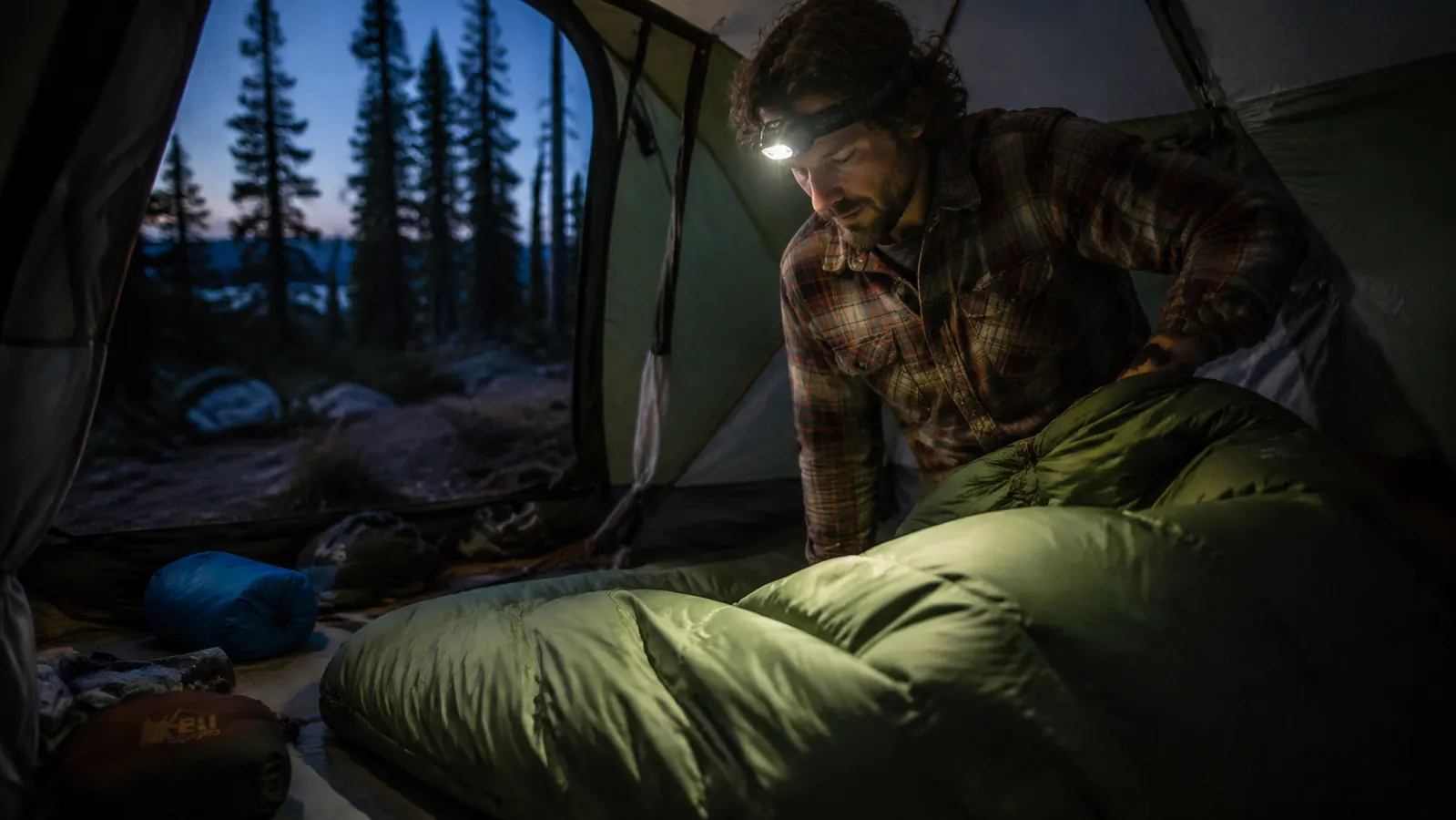
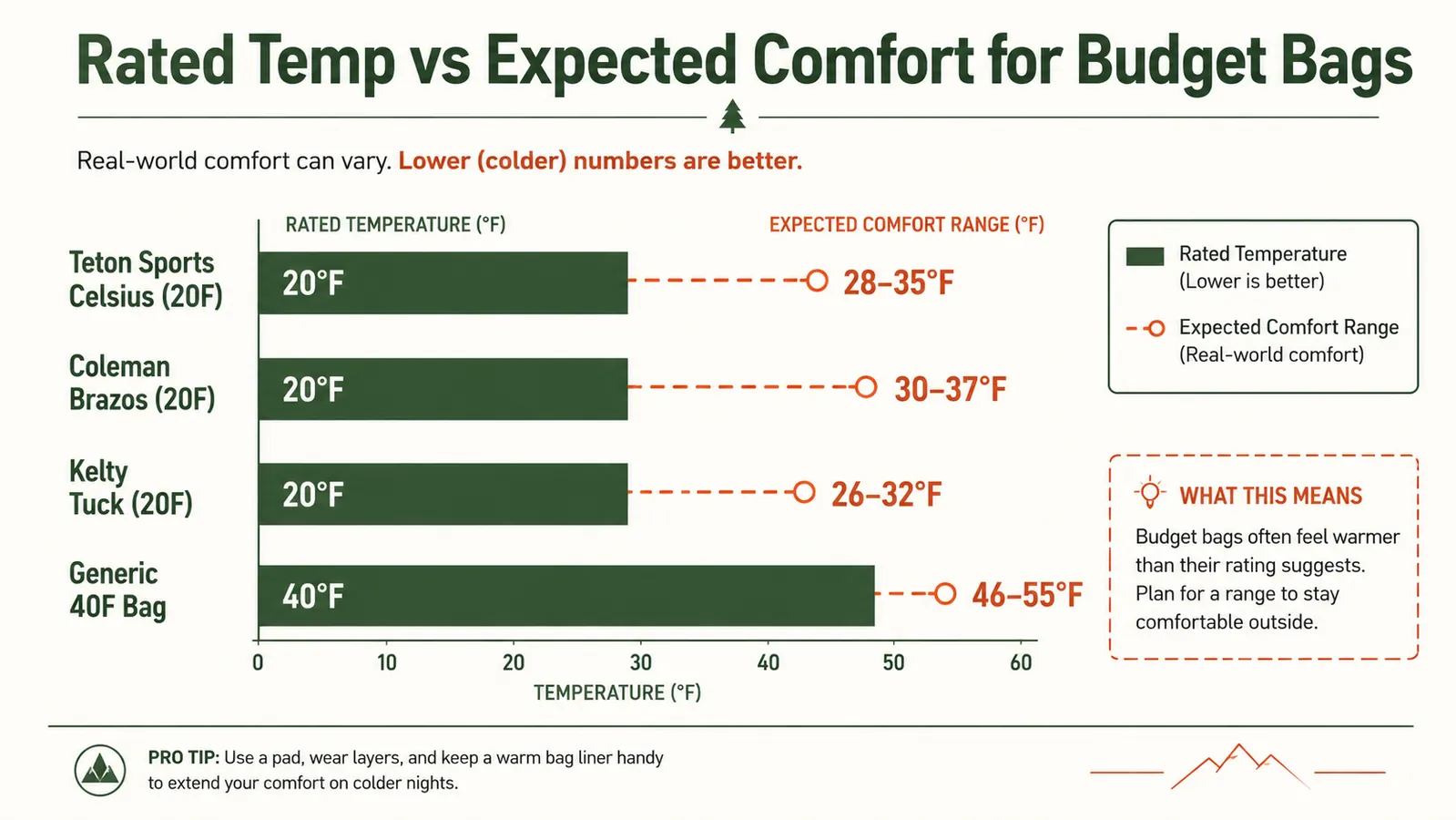
I want to be direct about this because it is the question I get asked most often: the Celsius is rated to 20F, but that rating is the survival limit, not the comfort rating. Teton Sports follows EN/ISO test protocols loosely on some of their bags, and the Celsius carries an "extreme" rating of 20F, meaning an average person in a survival situation could survive the night at 20F. The comfort rating, if Teton published it, would probably be around 30-35F for an average sleeper.
I have slept in this bag at 26-27F and been comfortable. I have heard from readers who found it insufficient at 32F. The difference is almost always the sleeping pad. If your pad is below R-3, you will be cold from the ground up no matter what bag you are in, because ground conduction pulls heat faster than air convection. Pair this bag with at least an R-4 pad at temperatures below 30F and the warmth equation changes significantly.
At 26 degrees with an R-4.5 pad and a merino base layer, I slept until my alarm. At 26 degrees on a foam pad with an R-value of 2, I woke up twice. The bag did not change. The pad did.
Where It Falls Short
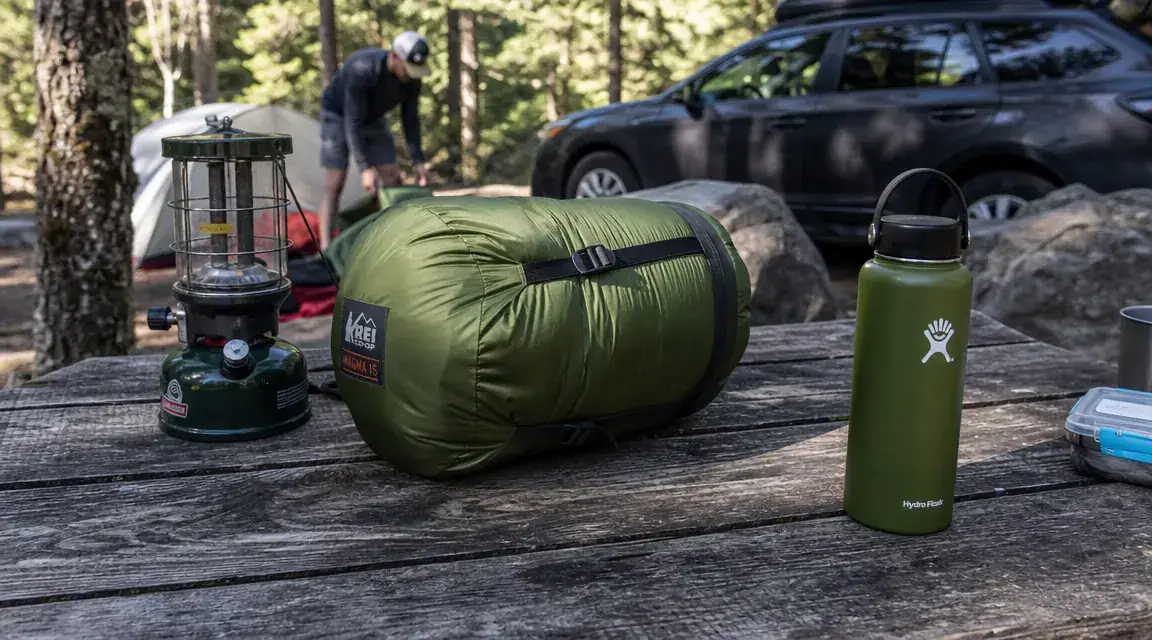
Weight and packability are the two honest limitations. The Celsius weighs about 4 lbs 6 oz depending on size, and it stuffs down to roughly 14 inches by 9 inches in the included compression sack. That is acceptable for car camping and base camping, but it is a non-starter for backpacking where you are watching every ounce. If you are putting this in a backpacking pack, you will feel it.
The mummy cut is fairly roomy for a mummy bag, which some people appreciate because they feel less claustrophobic, and some people find reduces warmth because there is more air volume for your body to heat. I fall in the middle, meaning I do not feel cramped, but I notice that in still, cold air below 25F there is a brief period after getting in the bag where it takes longer than expected to feel warm. That is mostly a dead-air-space issue rather than a fill problem.
Condensation management is something to watch. The polyester shell does not breathe like a down bag with a ripstop nylon outer. On nights where body moisture is high, I can feel the shell become slightly clammy by morning. This is a synthetic bag limitation, not a Celsius-specific failure. If you are camping in a well-ventilated tent and moving air through at night, it is a non-issue. In a tight tent with two people and sealed vents, you will notice it.
How It Holds Up Wet
The Blue Ridge weekend I mentioned at the top was October, continuous rain for about 36 hours. My tent footprint developed a seam failure and I had maybe a cup of water on the floor of my tent by night two. My sleeping pad stayed dry because it floated on top of it. The stuff sack got fully wet. The bag itself picked up some moisture through the floor and through condensation from the rain fly.
I slept fine. Slightly cooler than usual, more from the damp air than the bag, and I had a liner in that night as a precaution. The next morning I draped the bag over a picnic table for three hours in mild sun and wind and it dried to the touch. Synthetic fill holds heat when damp in a way that down simply does not, and this was the reason I bought a synthetic bag in the first place. It passed that test the way I expected it to.
What I Liked
- Durable zipper with anti-snag draft tube that outperforms the price point
- Synthetic fill stays functional when damp, dries reasonably fast
- Warm enough for most car campers down to the mid-20s with proper pad insulation
- Three seasons with no seam failure, zipper failure, or fill compression
- Generous hood cinch stays set through the night
- Soft brushed interior lining comfortable without a liner in mild cold
Where It Falls Short
- At 4 lbs 6 oz it is not a backpacking bag
- Stuffed size of 14x9 inches is large relative to synthetic competitors
- 20F is an extreme/survival rating, not a comfort rating for cold sleepers
- Polyester shell does not breathe well, can feel clammy by morning in humid conditions
- Mummy cut is roomy enough that some heat escapes into dead air space at very low temperatures
Who This Is For
If you car camp, base camp, or do any trip where weight and pack size are not your primary constraints, the Celsius is a well-made bag at a price that makes sense. It works for families who need multiple bags and cannot spend $200 each, for people upgrading from a rectangular summer bag who want real cold-weather warmth, and for anyone building a kit that can survive being rolled up wrong, stuffed in a wet car trunk, or borrowed by someone who has never cared for a sleeping bag in their life. I have recommended it to three people in the last 18 months, specifically in that context.
It also works as a second bag for established backpackers who do car-camping base trips and want a warm, durable option they do not have to baby. For that use case it sits in my basement rotation and has earned its place.
Who Should Skip It
If you are going backpacking and counting ounces, skip this bag entirely. At the weight and pack size it reaches, you will find better options in the $90-120 range from brands like Kelty or Nemo that are designed to be carried on your back. If you sleep genuinely cold, meaning you are often cold even indoors at normal room temperature, I would either buy a bag rated to 0F or pair this one with a liner, because your margin at 20-25F is going to be thin.
If you want a detailed side-by-side comparison of the Celsius against the Coleman Brazos, both of which are budget 20F bags, I wrote that up at Teton Sports Celsius vs Coleman Brazos. The short version: they are closer than you would expect, and the price difference varies week to week on Amazon. I also put together 10 reasons a mummy bag beats a rectangular bag if you are still on the fence about the shape.
Three seasons in. I'd still buy it at today's price.
The Teton Sports Celsius is one of the few sub-$65 sleeping bags I would recommend without caveats for car camping and base camping. Check the current price on Amazon and see if it fits your kit.
Amazon Check Today's Price on Amazon →