
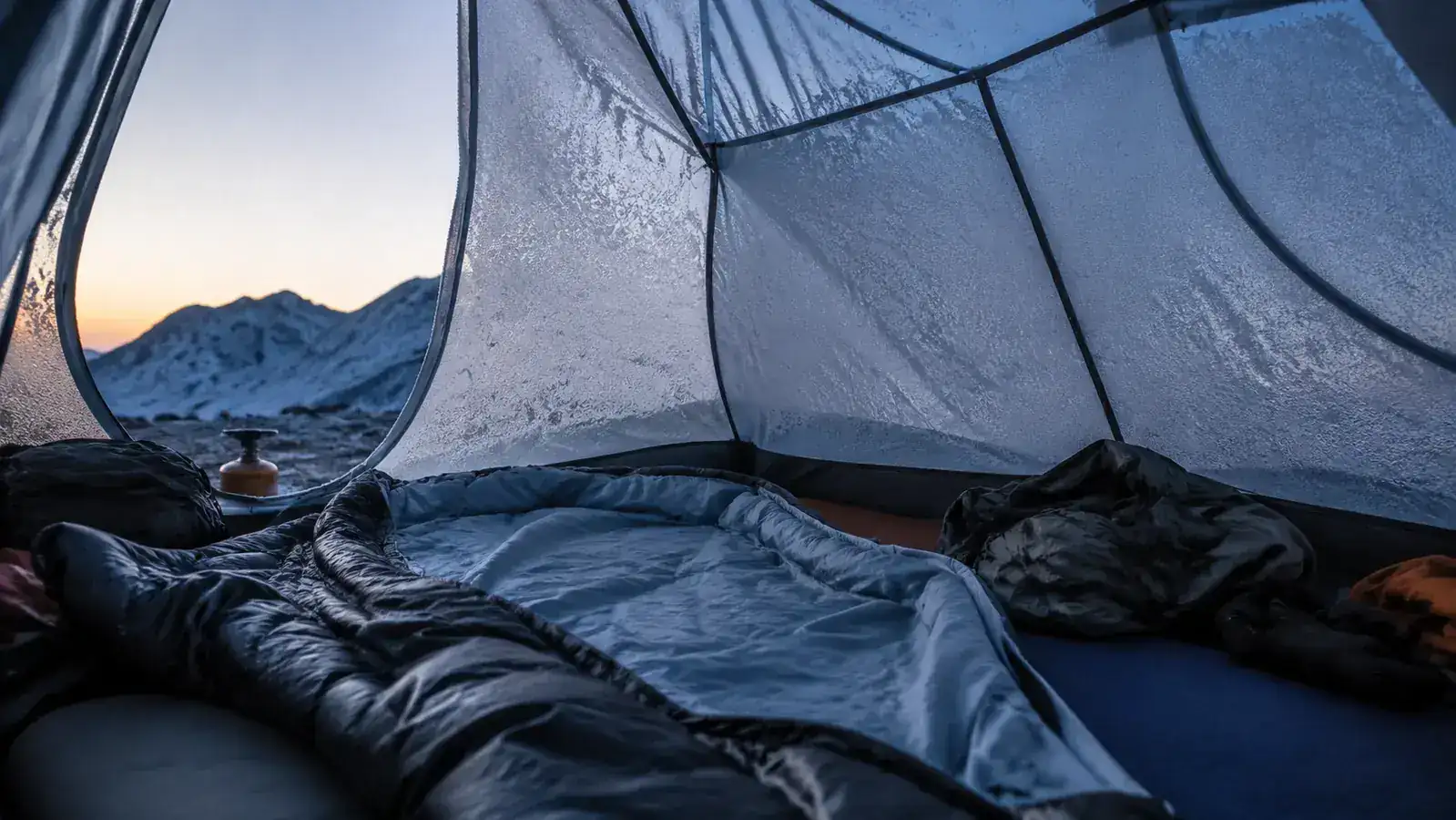
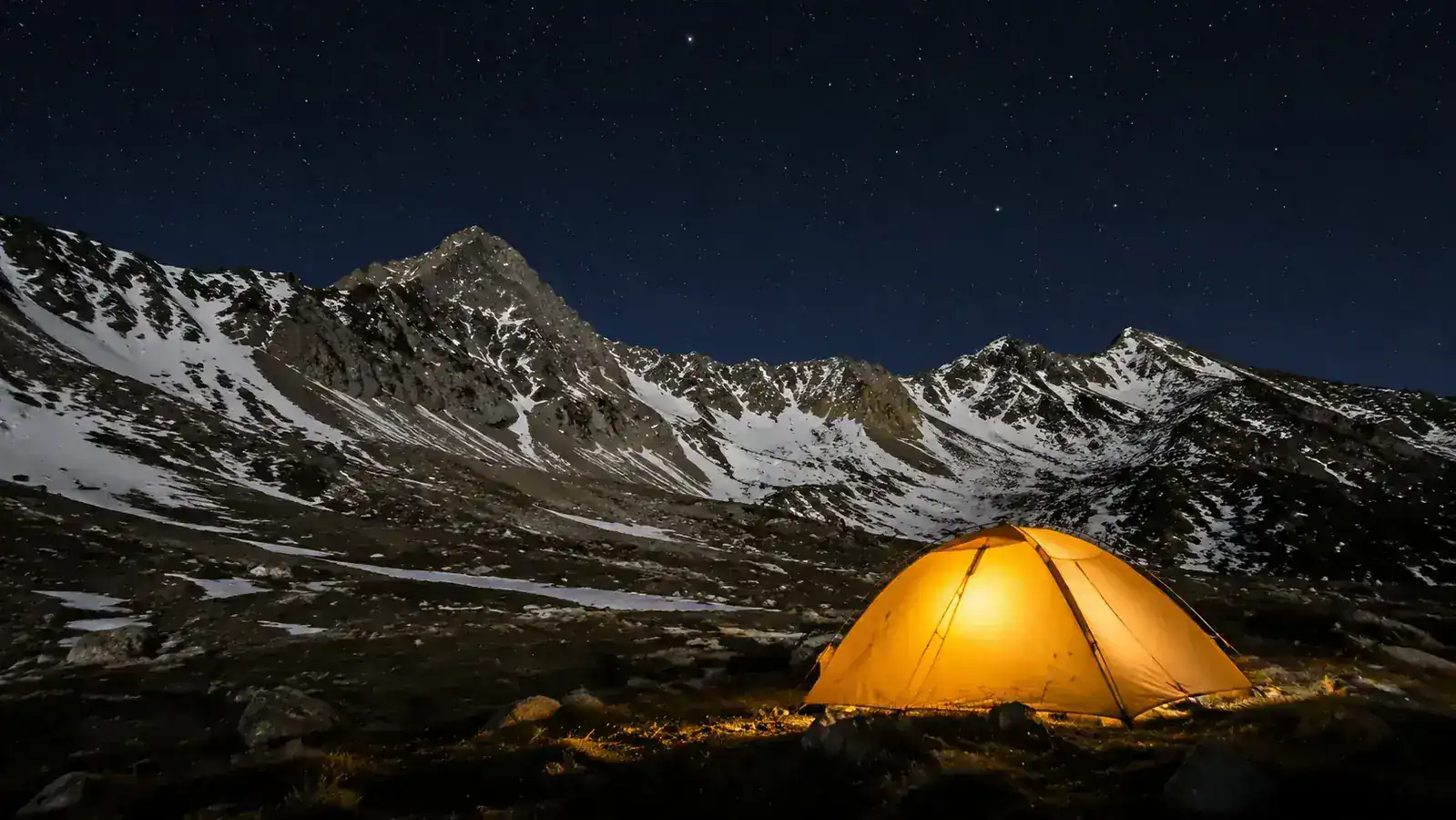
The thermometer at the trailhead kiosk said 41 degrees when my buddy Dave and I started up toward our campsite in the Winds. By the time we made camp it was closer to 28, with a wind that came off the snowfield and went straight through the trees. This is the story of my first cold night with the Teton Sports Celsius 20F mummy bag, and why I trust it now. I had my old rectangular bag, a 40-degree synthetic I had been using since my twenties. I figured I would layer up and be fine. I was not fine.
I was awake by 1 a.m. shivering hard enough that my teeth were clicking. I put on every layer I had including my rain jacket. I pulled my beanie down over my ears. I tucked the bag under me to cut the ground cold. None of it got me back to sleep. I lay there watching the tent walls flex in the wind and counting the hours until it was light enough to start a stove. That was the worst kind of camping night: miserable and preventable.
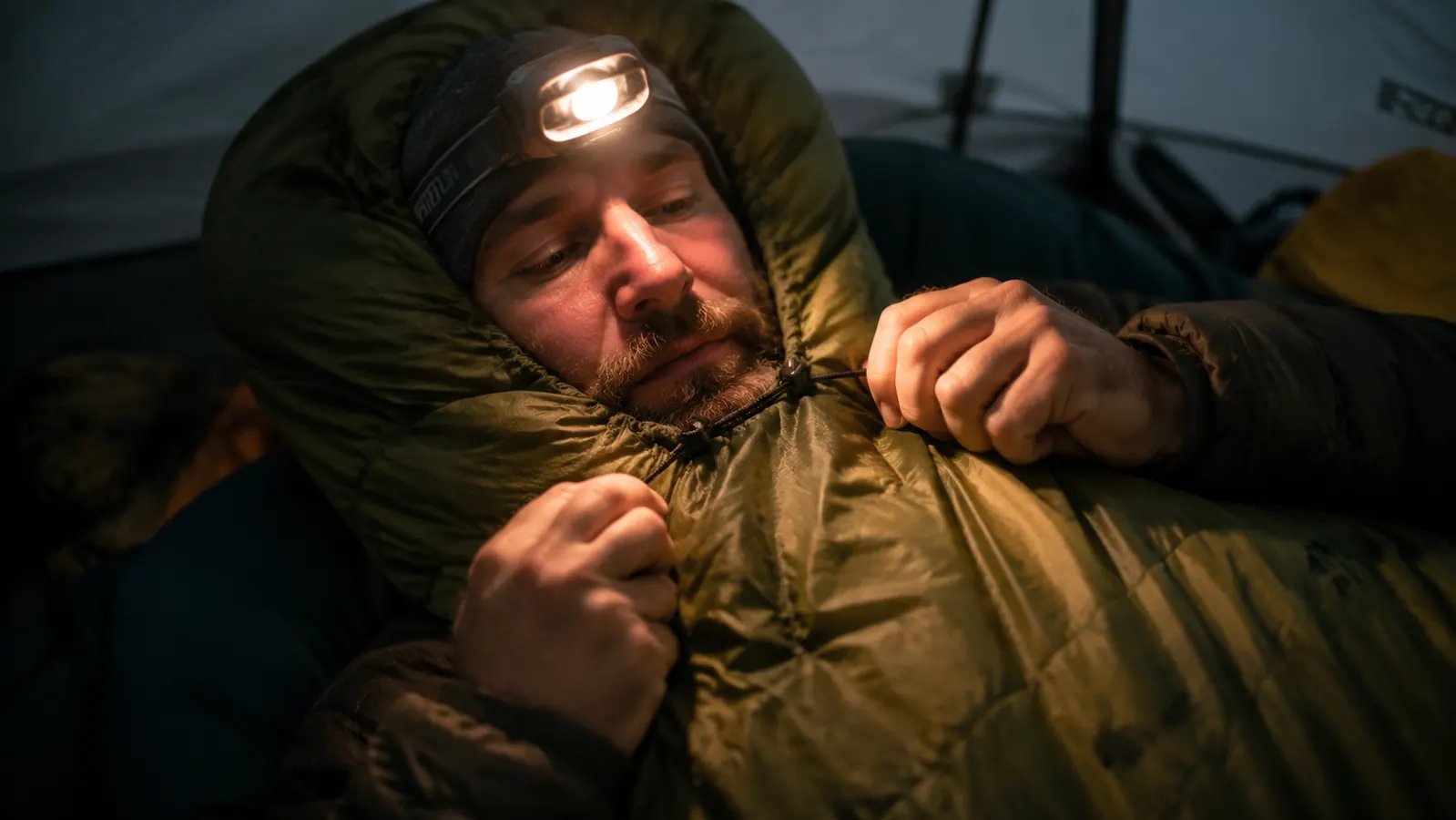
I knew the problem. The bag was old, the loft was gone, and it was never rated for anything under 40 degrees anyway. I had been cutting corners for years by calling it a three-season bag and hoping for mild nights. The Winds handed me the bill.
Shivering in a 40-degree bag at 28 degrees taught me something I already knew but had been ignoring: the bag rating is not a suggestion.
When I got home I started looking at replacements. I did not want to spend $200 on a name-brand mummy bag for car camping and occasional backpacking. I wanted something rated to at least 20 degrees, with a hood that actually sealed, and enough room in the shoulders that I could sleep on my side without feeling like a burrito rubber-banded to a stick. The Teton Sports Celsius 20F came up in my research and I kept reading the same note in the reviews: people who camp in actual cold weather, not just mild fall nights, kept coming back to it.
I ordered one. It arrived in a compression stuff sack that packs down smaller than I expected for a bag this warm. The fill is a polyester fiber that Teton calls SuperLoft Elite, which is not a name that means anything to me, but after sleeping in it through a Wyoming October and two nights in the low 20s in Colorado, I can tell you it holds loft after repeated use better than any other bag in this price range I have tested. The mummy hood cinches down with a drawstring that actually stays where you set it. The shoulder collar is separate so you can seal in warmth at the neck without pulling the whole hood tight. These are not complicated features, but they are the features that matter at 2 a.m. when the temperature drops.
If you are camping in temps below 40 degrees, your bag's rating matters more than any other gear decision.
The Teton Sports Celsius 20F is rated for real cold, has a mummy hood that actually cinches, and costs less than a night at a trailhead motel. Check today's price before the next seasonal bump.
Amazon Check Today's Price on Amazon →One honest note on fit: the Celsius runs narrow through the footbox on the standard version. If you sleep on your side and kick around a lot, you will notice it. Teton makes a wide version for bigger guys or restless sleepers and it is worth the few extra dollars if you are over 5'11 and 200 pounds. I am 5'10 and 175 and the regular fit works for me, but I have pointed two larger friends toward the wide version and both were glad they ordered it.
The zipper is a full-length YKK that runs from shoulder to foot. It has a draft tube behind it that blocks cold air from bleeding through the zipper line. I have used bags where the draft tube slips or bunches and creates a cold spot right along your side. That has not happened with the Celsius in two seasons of use. The zipper pull is big enough to grab with gloves on, which matters when you need to open the bag at 5 a.m. and your hands are already stiff.
What I Would Tell You If We Were Sitting at My Kitchen Table
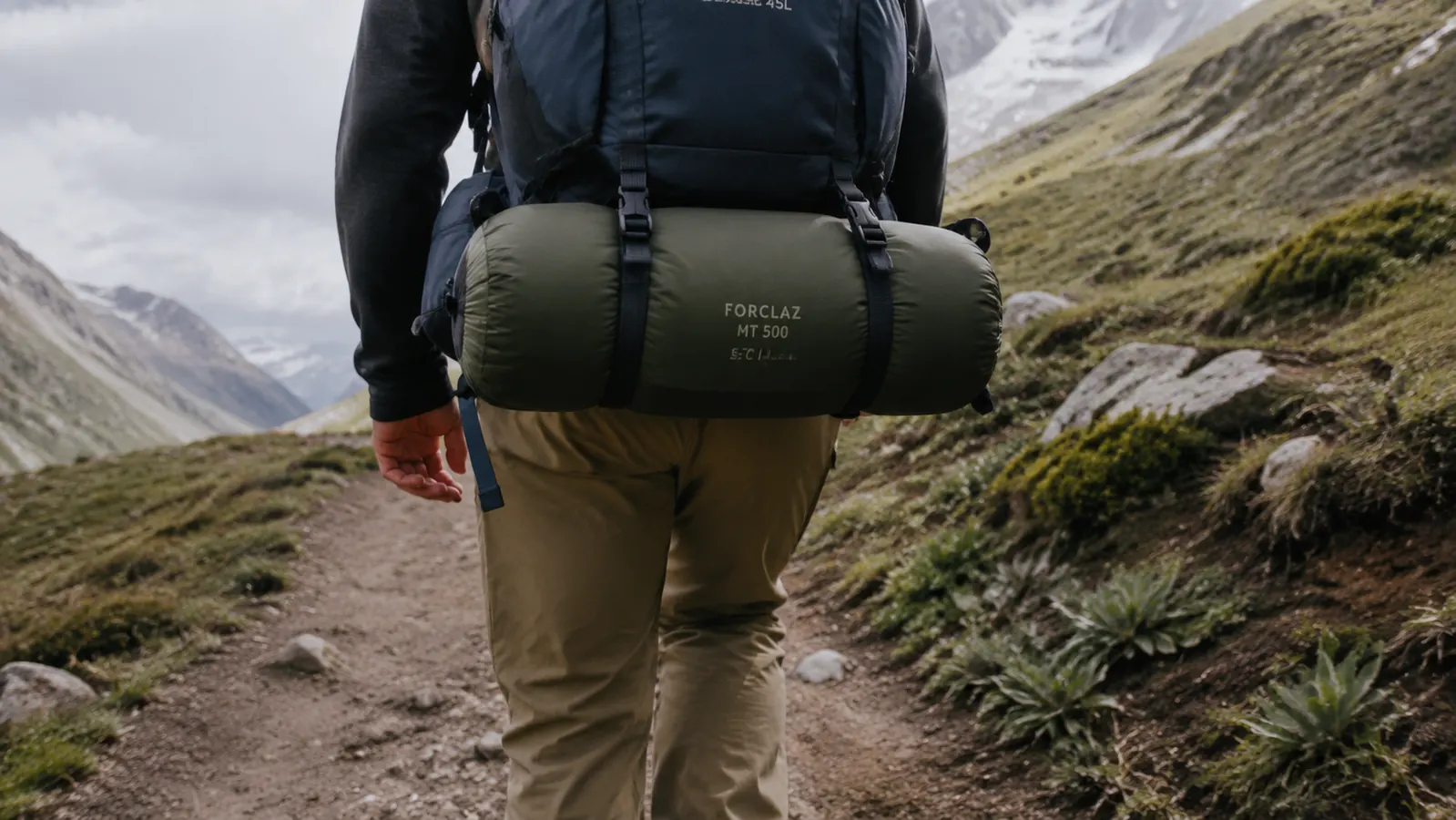
Here is the honest version: the Teton Sports Celsius is not a backpacking bag. It weighs about 3.3 pounds in the regular size, which is heavy if you are counting ounces on a long trail. For car camping, base camping, and weekend trips where the trailhead is your bedroom, weight does not matter and warmth does. That is exactly where this bag earns its place.
If you are serious about cutting pack weight for longer backpacking trips, read the full Teton Sports Celsius long-term review where I get into the weight tradeoffs and when it makes sense to upgrade to a lighter down bag. And if you want the full picture on sleeping warm in the backcountry beyond just the bag, the cold-weather camping sleep system guide covers pads, layering, and the habits that make the biggest difference.
But if you are staring at a trip in the next few weeks and your current bag has you nervous, stop stalling. Get the Celsius, use the mummy hood, put a good pad under you, and go have the trip instead of suffering through it. I spent too many cold nights in the wrong bag because I did not want to spend the money. That math does not hold up when you are lying awake at 2 a.m. counting the hours until sunrise.
Stop rationing warmth. The bag that cost me two seasons of cold nights costs less than you think.
The Teton Sports Celsius 20F is rated to 20 degrees, packs into its own compression stuff sack, and ships Prime. If cold-weather camping is on your calendar, check today's price and get it sorted before your next trip.
Amazon Check Today's Price on Amazon →